















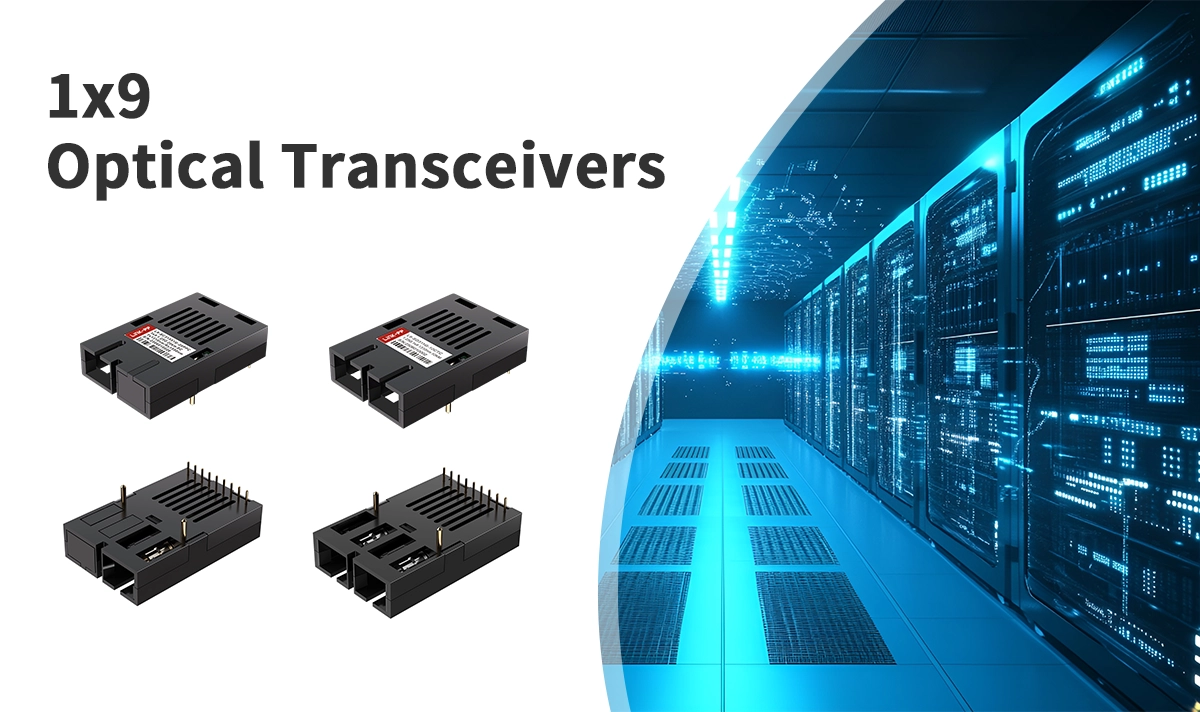
⚡ 簡単に言えば: 世界の
1×9 光トランシーバー?この包括的なガイドが、その複雑さを解き明かします。重要な選定基準(距離、ファイバーの種類、データ転送速度、環境)を学び、仕様書を正しく読み解き、落とし穴を回避し、その理由を明らかにしましょう。 LINK-PP‘の産業用グレードのモジュールは、過酷な使用環境下でも信頼性の高い選択肢です。. 正しいつながりを築きましょう!
SFP+やQSFPといった新しいフォームファクタが話題を独占している一方で、地味な 1×9 トランシーバーモジュール 特定の、しばしば過酷なネットワーク環境において、依然として不可欠な主力製品であり続けています。そのレガシーな設計は堅牢性と簡潔さを兼ね備えており、新しいモジュールが適合しない、あるいはコスト効率が悪い産業用オートメーション、通信アクセスネットワーク、および特殊機器において、欠かせない存在となっています。ただし、適切なものを選ぶには、単なるプラグアンドプレイ以上の慎重な検討が必要です。.
この決定版ガイドでは、最適なものを自信を持って選べるよう、必要な知識を身につけることができます。 1×9 光トランシーバ
お客様の具体的な用途に合わせて。.
🚀 1×9トランシーバーのフォームファクタについて
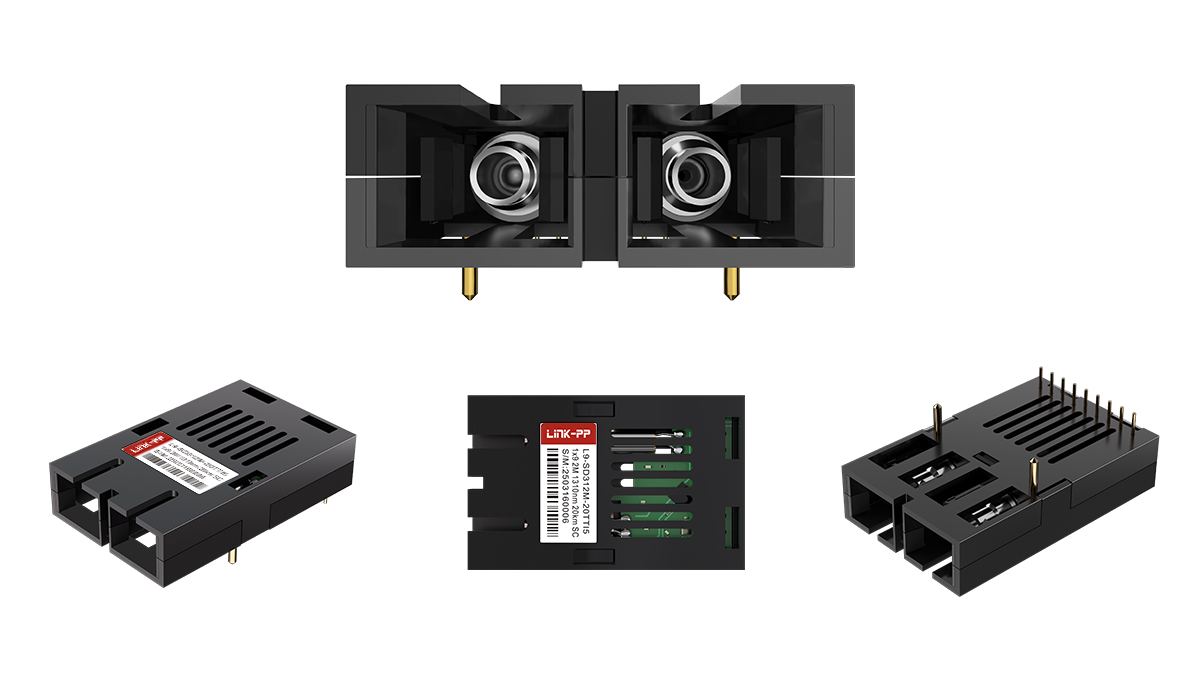
「1×9」という表記は、物理的なパッケージ、つまり電気的接続用の9ピンを備えた金属製ケースを指します。ホットプラグ対応のSFP(Small Form-factor Pluggable)とは異なり、, 1×9 モジュール
通常、ホスト基板に直接はんだ付けされます。主な特徴は以下の通りです:
据え置き型: ホットスワップには対応していません。交換には基板レベルの作業が必要です。.
頑健性: シンプルなデザインは、多くの場合、高い耐久性につながります。これは、 産業用ネットワーキング 設定。.
旧式機器のサポート: 古いものを維持するために不可欠な 通信機器, 産業用スイッチ, 、ルーター、および メディアコンバーター このフォームファクター向けに設計されています。.
コスト効率: ホットスワップ機能が必要ない用途においては、多くの場合、より低コストなソリューションとなります。.
🚀 1×9トランシーバーを選ぶ際の重要な選定基準
不適切なモジュールを選択すると、リンク障害やダウンタイム、さらにはフラストレーションの原因となります。以下の主要なパラメータに重点を置いてください:
必要な伝送距離:
ショートリーチ(SR): 通常、
VCSEL(垂直共振器面射型レーザー)光源を使用します。 マルチモードファイバ(MMF). 最大2kmまでの距離(例:1000BASE-SX規格)。建物内やキャンパス内の接続に一般的に用いられる。.ロングリーチ(LR): デバイスおよびネットワークを識別するために シングルモードファイバ(SMF). 最大20km、40km、さらには80kmまでの距離に対応(例:1000BASE-LX、1000BASE-ZX規格)。建物間の接続や、より長距離の接続に不可欠です。 光ファイバリンク.
距離を合わせる ちょうど または、定格が もっと長く 必要以上に距離を置いている。. 定格距離がそれより短いモジュールは絶対に選択しないでください。.
光ファイバーケーブルの種類:
マルチモードファイバ(MMF): コア径は50µmまたは62.5µmです。以下と併用します。 850nm 波長 トランシーバー(例えば 1000BASE-SX) 短距離の場合。モジュールの光ファイバー種別要件(OM1、OM2、OM3、OM4)と、設置済みのケーブルとの互換性を確認してください。.
シングルモードファイバ(SMF): コア径は9µm。以下と併用します。 1310nm または 1550nm波長 トランシーバー(例えば 1000BASE-LX, 1000BASE-ZX) 長距離の場合。正確な位置合わせが必要です。.
異なる種類のファイバー(MMFとSMFモジュール、またはその逆)を混在させると、正常に動作しません!
データ転送速度およびネットワーク規格:
ファスト・イーサネット(100Mbps): 100BASE-FXなどの規格。.
ギガビット・イーサネット(1Gbps/1000Mbps): 1×9モジュールにおける主要な規格。規格には以下が含まれます:
1000BASE-SX: MMF、850nm、最大550m(OM2)、1km(OM3/OM4)。.
1000BASE-LX/LH: SMF、1310nm、最大10kmまたは20km。モード調整用パッチコードを使用すれば、MMFに対応するものもあります。.
1000BASE-ZX: SMF、1550nm、最大70kmまたは80km。.
1000BASE-BX (BiDi): (垂直共振器表面放出レーザー)レーザーを採用します。VCSELはコスト効率が良く、 1本のファイバー ファイバー。ペアを一致させる必要があります(一方の端の送信波長(TX)は、もう一方の端の受信波長(RX)と一致している必要があります。例:1310nm-TX/1550nm-RX は 1550nm-TX/1310nm-RX とペアになります)。.
SONET/SDH: 通信分野で一般的に使用される(例:OC-3/STM-1、OC-12/STM-4、OC-48/STM-16)。特定の波長および距離に対応したモジュールが必要となる。.
モジュールの規格(例:1000BASE-LX)を、スイッチ、ルーター、またはメディアコンバータのポート設定と正確に一致させてください。.
動作波長:
これはファイバーの種類と伝送距離に直接関係しています。主な波長: 850nm (MMF、SR)、, 1310nm (SMF、LR)、, 1550nm (SMF、ER/ZR)。. BiDiモジュールは、 同一の光ファイバー上で、2つの異なる波長(例:1310nm/1490nm、1490nm/1550nm)を使用する。.
動作環境(温度および耐環境性):
商用温度範囲(C-temp): 0°C~+70°C。標準的なオフィス/データセンター環境。.
拡張/産業用温度範囲(I-temp/E-temp): -40°C~+85°C(場合によっては-20°C~+75°C)。. 産業用SFPに不可欠 工場の生産現場、屋外設置のキャビネット、輸送機器、あるいは過酷な環境などでの用途。. LINK-PPは、堅牢な産業用グレードの1×9モジュールを専門としています。.
DDM/DOM対応 (デジタル診断モニタリング):
SFF-8472準拠とも呼ばれます。以下のようなリアルタイムパラメータの監視が可能です:
トランシーバ温度
ラジエレクトリックバイアス電流
光出力
受信光パワー
供給電圧
以下にとって極めて重要です: ネットワーク監視および, 、予防保全、およびトラブルシューティング。お使いのホスト機器がDDM/DOMに対応しており、かつDDM/DOMが必要かどうかを確認してください。.
互換性とベンダーロックイン:
電気的・物理的には標準化されているものの、一部の機器ベンダーは、自社ブランドの(多くの場合高価な)光モジュールへの使用を制限するファームウェアロックを実装しています。.
サードパーティ製互換モジュール などの高品質かつ互換性のあるハードウェアを確保することは、安定的・拡張可能・高性能なネットワークインフラを構築する上で極めて重要です。 LINK-PP 大幅なコスト削減を実現し、以下の点について厳格なテストが行われています。 モービル・ベンダーコンパティビリティ. サプライヤーが、お客様の使用する機器のメーカーおよびモデルとの互換性を保証していることを確認してください。.
🚀 1×9トランシーバーのニーズに、なぜLINK-PPを選ぶべきなのでしょうか?
重要インフラ、産業用オートメーション、あるいはレガシーな通信ネットワークにおいて、信頼性は絶対条件です。. LINK-PP は、以下の厳しい要件に焦点を当てることで際立っています。 1×9 トランシーバー
用途:
工業用強度: 当社の主な専門分野は、 産業用光モジュール. 当社は自社製品を綿密に設計・テストしており、 1×9 光トランシーバー 延長された期間において、完璧に機能するために 産業用温度範囲(-40°C~+85°C), 、過酷な環境下でよく見られる振動、粉塵、湿気に対して耐性を備えています。. キーワード:過酷環境対応SFP、高信頼性光モジュール。.
厳格な互換性テスト: 当社は基本的な基準にとどまりません。各ロットの LINK-PP 1×9 モジュール 主要メーカー(Cisco、Juniper、Huawei、Siemens、RuggedCom、Moxaなど)の実際の機器を用いて厳格なテストを実施し、シームレスな統合と信頼性の高いパフォーマンスを確保しています。. キーワード:マルチベンダー対応SFP、検査済みのSFPモジュール。.
完全なDDM/DOM対応: 貴社のビジネスについて、貴重な知見を得ることができます。 光ファイバー回線 対応モジュールにおいて、SFF-8472に準拠した包括的なデジタル診断機能による健全性確認。.
高品質な部品と製造: 当社は高品質な光学部材を使用し、製造工程全体を通じて厳格な品質管理プロセスを徹底することで、長寿命を確保し、故障率を最小限に抑えています。.
コスト効率の高いソリューション: エンタープライズレベルのパフォーマンスを実現し、 産業用SFP OEMモジュールのような高額な価格設定を伴わずに、高い堅牢性を実現しています。.
技術仕様の解読:ラベルの読み方
モジュールに記載されているコードを理解することが重要です。一般的な 1×9 トランシーバーの部品番号は、次のような形式になっています: L9-SD3101-40PPI. を基盤とした優雅なダンスです。以下に分解していきます:
L9: LINK-PPブランド、1×9フォームファクタ
SD: SC デュプレックス
31: 波長 1310nm
01: データ転送速度 155Mbps
40: 伝送距離 40km
PP: PECL差動入出力およびPECL信号検出
I: 産業用温度範囲 -40~85℃
人気のLINK-PP 1×9トランシーバーモデル:
ショートリーチ・マルチモード: L9-SD3101-02CTC (155Mbps、1310nm、多芯光ファイバー、2km、商用温度範囲)
ロングリーチ・シングルモード: L9-SD311G-20PTC (1000BASE-LX、1310nm、SMF、20km、商用温度範囲) – 堅牢な長距離産業用回線の主力製品。.
拡張リーチ シングルモード: L9-SD5501-80PTI5 (155Mbps、1550nm、SMF、80km、産業用温度範囲)
BiDi シングルモード(単一ファイバー):
L9-SC31551G-20PPC (1.25Gbps、1310nm-TX/1550nm-RX、SMF、20km、商用温度範囲)
L9-SC55311G-20PPC(1.25Gbps、1550nm-TX/1310nm-RX、SMF、20km、商用温度範囲) – BiDiモジュールは、ペアで揃える必要があることにご注意ください。.
ファスト・イーサネット: L9-TD3101-10CTC (100BASE-LX、1310nm、SMF、10km、商用温度範囲、STコネクタ)
避けるべきよくある落とし穴
温度要件の無視: 商用モジュールを 産業環境 早期の故障を招くことになる。.
ファイバータイプの不一致: SMFモジュールをMMFケーブルに接続しても(あるいはその逆でも)、まったく機能しません。.
距離の過小評価: モジュールを選定する際は、測定したファイバー長に必ず安全マージン(10~20%)を加算してください。.
BiDiペアリングの見落とし: 必要なTX/RXペアの代わりに、同一のBiDiモジュールを2つ購入する。.
互換性を前提とする場合: のようなサードパーティ製モジュールについて、 LINK-PP 1×9 トランシーバー 本製品は、お客様の DWDMチャネル 機器の型番。.
DDM/DOMの軽視: 貴重な診断機能を失うと、トラブルシューティングがはるかに困難になる可能性があります。.
👉 最適な1×9モジュールをお探しですか? 今すぐ当社の技術専門家にお問い合わせください ➞
🚀 まとめ:自信を持って選ぶ
適切な 1×9 光トランシーバ
安定した高性能を実現するには不可欠です 光ファイバリンク, 、とりわけ困難な状況下では 産業用ネットワーキング またはレガシー 電気通信(テレコム)
環境。要件を体系的に評価することで―― 距離、ファイバーの種類、データ転送速度/規格、波長、温度範囲 – 十分な情報を得た上で判断することができます。仕様や互換性には細心の注意を払ってください。.
堅牢性、広範囲の動作温度、そして実証済みの信頼性が求められる用途においては、, LINK-PPの産業用グレード1×9光トランシーバー 費用対効果に優れ、高性能なソリューションを提供します。品質へのこだわり、厳格なテスト、そして過酷な環境への配慮により、お客様の重要な通信回線が確実に稼働し続けることを保証します。.
LINK-PP
当社の高性能1×9トランシーバーの全ラインナップをご覧ください
🚀 よくあるご質問(FAQ)
1×9光トランシーバーとは何ですか?
1×9光トランシーバーは、9ピンのネットワーク部品です。光ファイバーケーブルを介してデータを送受信するのに役立ちます。多くの工場や電話網で、安定した通信を確保するために使用されています。.
1×9のトランシーバーは、どの光ファイバーケーブルでも使用できますか?
トランシーバーは、使用する光ファイバーケーブルの種類に合わせて選択する必要があります。マルチモードケーブルにはマルチモードのトランシーバーを、シングルモードケーブルにはシングルモードのトランシーバーを使用してください。種類を混在させると、接続上の問題が発生します。.
1×9トランシーバーが正常に動作しているかどうかは、どのように確認すればよいですか?
お使いのデバイスのリンクランプを確認してください。ランプが点灯していれば、トランシーバーは正常に動作しています。また、ファイバーテスターを使用して信号を確認することもできます。.
ネットワークに接続できない場合はどうすればよいですか?
すべてのケーブルの接続を確認してください。.
ファイバーコネクタを清掃してください。.
トランシーバーが、お使いのネットワーク速度および光ファイバーの種類に対応していることを確認してください。.
それでも動作しない場合は、別のトランシーバーを試してみてください。.
1×9の光トランシーバーはホットスワップ対応ですか?
いいえ、デバイスの電源が入っている状態で1×9トランシーバーを交換することはできません。モジュールを取り外したり取り付けたりする前に、必ず機器の電源を切ってください。これにより、ハードウェアを保護することができます。.