
















Trong các trung tâm dữ liệu tốc độ cao và mạng cáp quang, việc đảm bảo kết nối liền mạch là yếu tố tối quan trọng. Một khía cạnh then chốt nhưng thường bị bỏ qua là cực tính trong các hệ thống MTP/MPO. Cực tính xác định đường đi của tín hiệu ánh sáng từ bộ phát đến bộ thu, và việc xác định sai có thể dẫn đến sự cố mạng, mất tín hiệu và thời gian ngừng hoạt động gây tốn kém. Khi các mạng ngày càng phát triển với các giải pháp cáp quang mật độ cao, việc hiểu rõ về cực tính trở nên thiết yếu để tối ưu hóa hiệu suất. Hướng dẫn này đi sâu vào những khía cạnh phức tạp của Cực tính MTP/MPO, offering practical insights for professionals. We’ll also explore how integrating the right module quang
, chẳng hạn như những cái từ LINK-PP, có thể giúp đơn giản hóa quá trình triển khai và nâng cao độ tin cậy.
➤ Điểm nổi bật
Việc hiểu rõ về cực tính là rất quan trọng. Điều này giúp tín hiệu truyền đi đúng hướng trong các hệ thống MTP/MPO. Luôn kiểm tra hướng chỉ dẫn trước khi kết nối bất kỳ thiết bị nào.
Hãy đảm bảo tín hiệu phát (Tx) và tín hiệu nhận (Rx) khớp nhau. Điều này giúp bảo vệ dữ liệu của bạn. Sử dụng các bảng để kiểm tra từng điểm trên sợi quang.
Hãy chọn phương pháp cực tính phù hợp, chẳng hạn như A, B hoặc C. Hãy lựa chọn dựa trên nhu cầu của mạng của bạn. Mỗi phương pháp đều có cách bố trí dây riêng. Điều này sẽ ảnh hưởng đến cách tín hiệu truyền đi.
Hãy thường xuyên kiểm tra các kết nối MTP/MPO, đặc biệt là sau khi thực hiện các thay đổi. Điều này giúp bạn phát hiện và khắc phục các sự cố về cực tính ngay từ sớm. Việc khắc phục kịp thời sẽ ngăn chặn các sự cố mạng.
Ghi lại các thiết lập MTP/MPO của bạn. Việc lưu giữ hồ sơ giúp bạn giải quyết các sự cố sau này. Điều này cũng giúp mạng cáp quang của bạn hoạt động ổn định.
➤ Cực tính trong hệ thống MTP/MPO là gì?
Cực tính đề cập đến việc căn chỉnh các sợi quang trong một kết nối nhằm đảm bảo rằng bộ phát (Tx) ở một đầu có thể giao tiếp chính xác với bộ thu (Rx) ở đầu kia. Trong Đầu nối MTP/MPO, vốn chứa nhiều sợi quang (thường là 8, 12, 24 hoặc nhiều hơn), việc quản lý cực tính trở nên phức tạp do số lượng sợi quang lớn. Các đầu nối này được tiêu chuẩn hóa bởi các tổ chức như IEC và TIA, và cực tính không đúng có thể làm gián đoạn giao tiếp hai chiều, đặc biệt là trong các hệ thống quang song song được sử dụng cho các tốc độ 40G, 100G và cao hơn.
Về cơ bản, tính phân cực đảm bảo rằng mỗi cặp sợi quang phải khớp với các đường dẫn Tx-Rx trên toàn bộ liên kết. Chẳng hạn, trong một hệ thống song công, sợi quang A phải kết nối với sợi quang B, và ngược lại. Trong Dây nối MTP/MPO, điều này được thực hiện thông qua các cơ chế khóa và cấu hình cáp.
➤ Tại sao tính phân cực lại quan trọng trong mạng cáp quang?
Độ toàn vẹn tín hiệu: Cực tính chính xác giúp ngăn ngừa hiện tượng nhiễu tín hiệu, từ đó giảm thiểu lỗi bit và đảm bảo tính chính xác của dữ liệu.
Hiệu quả mạng: Cực tính không khớp có thể làm gián đoạn quá trình khởi tạo mạng, từ đó làm tăng thời gian triển khai.
Khả năng mở rộng: Khi các mạng lưới áp dụng các giải pháp cáp quang mật độ cao, những sai sót về cực tính sẽ khiến việc khắc phục sự cố tốn kém hơn.
Tuân thủ: Việc tuân thủ các tiêu chuẩn như TIA-568 đảm bảo khả năng tương tác và tính tương thích với các công nghệ trong tương lai.
Việc bỏ qua cực tính có thể dẫn đến các sự cố như lỗi kết nối trong kết nối trung tâm dữ liệu (DCI) or môi trường điện toán đám mây, nơi thời gian hoạt động liên tục là yếu tố then chốt. Do đó, việc nắm vững nguyên tắc cực tính là một phương pháp hay nhất dành cho bất kỳ chuyên gia nào trong lĩnh vực cáp quang.
➤ Các loại và phương pháp phân cực: Tổng quan toàn diện
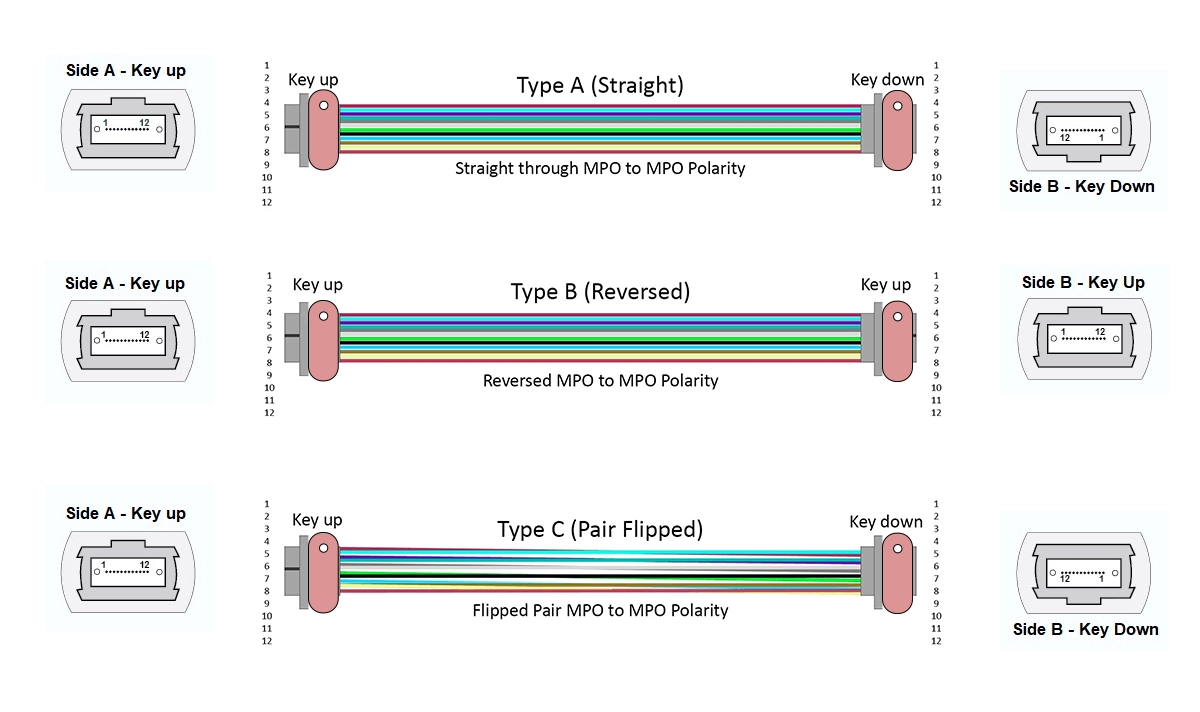
Hệ thống MTP/MPO sử dụng ba phương pháp phân cực chính — Loại A, Loại B và Loại C — mỗi phương pháp phù hợp với các ứng dụng khác nhau. Việc hiểu rõ các phương pháp này là chìa khóa để Chọn cực tính MTP phù hợp cho cấu hình của bạn.
Dưới đây là bảng tóm tắt các đặc điểm chính:
Loại cực tính | Cấu hình chính | Trường hợp sử dụng phổ biến | Ưu điểm và Nhược điểm |
|---|---|---|---|
Loại A | Xử lý liên tục; từ khi nhấn phím đến khi thả phím ở cả hai đầu. | Các liên kết quang song song (ví dụ: 40G-SR4) | Ưu điểm: Triển khai đơn giản. Nhược điểm: Yêu cầu sử dụng dây nối cụ thể. |
Loại B | Đảo ngược; từ phím lên đến phím lên, với vị trí các sợi quang được đảo ngược. | Các ứng dụng duplex (ví dụ: 10G-LR) | Ưu điểm: Tương thích với chế độ in hai mặt tiêu chuẩn. Nhược điểm: Việc quản lý có thể gây nhầm lẫn. |
Loại C | Đảo cặp; mỗi cặp được đảo ngược bên trong đầu nối. | Hệ thống hai chiều (ví dụ: 100G-CWDM4) | Ưu điểm: Giảm bớt độ cồng kềnh của dây cáp. Nhược điểm: Quá trình lắp đặt phức tạp hơn. |
Các phương pháp này tuân thủ các tiêu chuẩn TIA-568, và việc lựa chọn phương pháp phù hợp phụ thuộc vào các yếu tố như kiến trúc mạng và thiết bị. Đối với đảm bảo cực tính chính xác trong cáp nối MTP, hãy luôn kiểm tra loại được ghi trên các đầu nối và sử dụng thiết bị kiểm tra cực tính.
➤ Hướng dẫn thực hành về cách chọn phương pháp xác định cực tính phù hợp
To tối ưu hóa cực tính cho các hệ thống MTP/MPO, hãy thực hiện theo các bước sau:
Đánh giá các yêu cầu về mạng: Xác định xem hệ thống của bạn sử dụng công nghệ quang song song (ví dụ: 40G/100G) hay các liên kết song công. Công nghệ quang song song thường yêu cầu Loại A, trong khi các hệ thống song công sử dụng Loại B.
Bản đồ các tuyến cáp quang: Sử dụng sơ đồ cực tính để xác định đường dẫn Tx-Rx, nhằm tránh tình trạng không khớp. Các công cụ như bộ dụng cụ kiểm tra cực tính có thể hỗ trợ việc này.
Chọn các linh kiện tương thích: Đảm bảo các dây cáp, bộ chuyển đổi và mô-đun có cùng cực tính. Ví dụ, Các đường truyền MTP/MPO hiệu suất cao từ các thương hiệu như LINK-PP đã được cấu hình sẵn để sử dụng thuận tiện.
Kiểm thử và xác thực: Sử dụng các thiết bị kiểm tra quang học để xác minh cực tính trước khi triển khai, từ đó giảm thiểu rủi ro gián đoạn hoạt động.
Những sai lầm thường gặp bao gồm việc trộn lẫn các loại cực tính trong cùng một liên kết — hãy luôn đảm bảo tính nhất quán trên toàn bộ hệ thống của bạn hạ tầng cáp quang của trung tâm dữ liệu. Để có các giải pháp có khả năng mở rộng, hãy cân nhắc hệ thống phân cực mô-đun cho phép tái cấu hình.
➤ Tích hợp với các mô-đun quang học: Lợi thế của LINK-PP
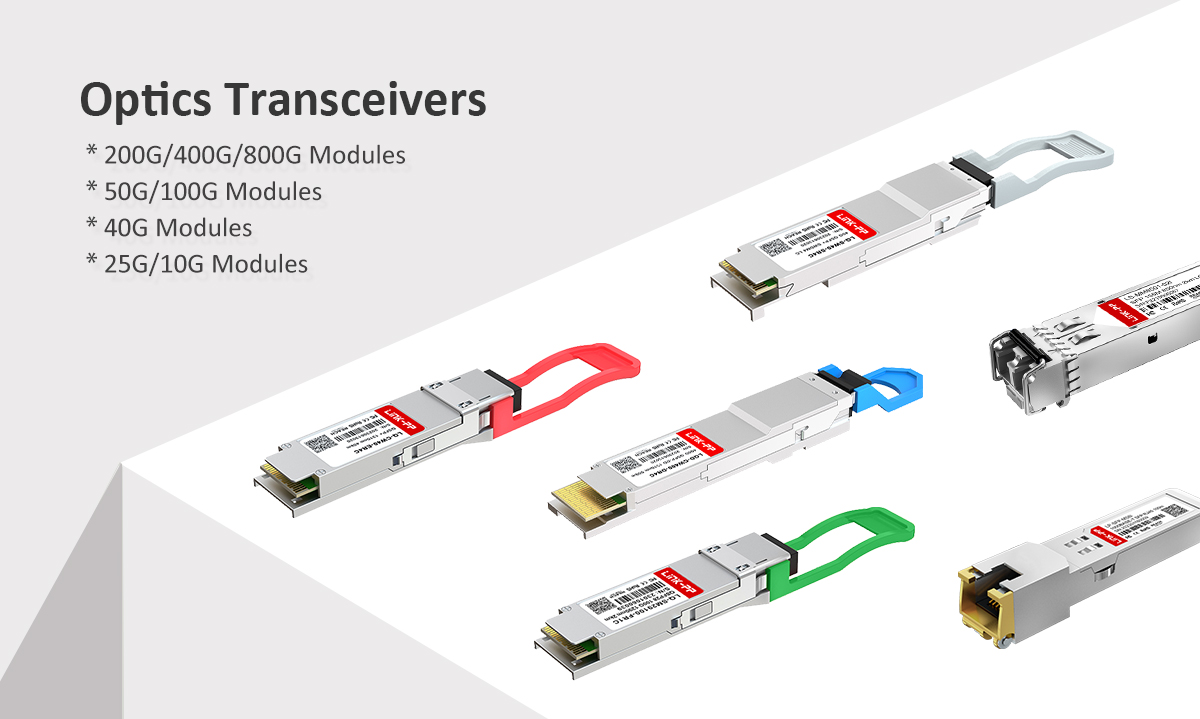
Mô-đun quang, hay còn gọi là bộ thu phát, phụ thuộc rất nhiều vào cực tính chính xác để hoạt động. Các mô-đun này chuyển đổi tín hiệu điện thành tín hiệu quang và ngược lại, và các đầu nối của chúng phải tuân thủ các quy tắc cực tính MTP/MPO. Cực tính không chính xác có thể khiến mô-đun không hoạt động, điều này càng nhấn mạnh tầm quan trọng của tính tương thích.
In Mô-đun quang tốc độ cao, cực tính thường được cài đặt sẵn tùy theo ứng dụng. Ví dụ, các mô-đun QSFP28 dành cho mạng 100G thường sử dụng cực tính Loại A cho các kết nối SR4, trong khi các mô-đun LR4 có thể yêu cầu cực tính Loại C cho lưu lượng hai chiều. Khi lựa chọn mô-đun, hãy kiểm tra các yêu cầu về cực tính của chúng trong bảng dữ liệu để tránh các sự cố kết nối trong mạng cáp quang.
Đây là nơi LINK-PP nổi bật nhờ cung cấp các giải pháp tích hợp. Các mô-đun quang học của họ được thiết kế với sự chú trọng đến tính phân cực, giúp đơn giản hóa quá trình triển khai. Một ví dụ tiêu biểu là LIÊN KẾT-PP QSFP28-100G-SR4 Mô-đun thu phát quang, được thiết kế với tính năng căn chỉnh cực tính Loại A tích hợp sẵn để tích hợp liền mạch vào các mạng 100G dựa trên MTP/MPO. Mô-đun này hỗ trợ các ứng dụng trung tâm dữ liệu mật độ cao và giúp giảm thiểu các lỗi lắp đặt nhờ việc dán nhãn rõ ràng và tuân thủ các tiêu chuẩn MSA. Ngoài ra, LINK-PP SFP28-25G-SR Các mô-đun này cung cấp các tùy chọn cực tính linh hoạt cho các hệ thống song công, đáp ứng các nhu cầu mạng đa dạng.
Bằng cách chọn các module quang LINK-PP, các chuyên gia có thể tận dụng kết nối cáp quang đáng tin cậy với các lo ngại về cực tính được giảm thiểu, nâng cao hiệu quả tổng thể của mạng. Khám phá dòng sản phẩm của họ để tìm các module hỗ trợ nhiều phương pháp cực tính khác nhau, đảm bảo khả năng tương thích với cơ sở hạ tầng hiện có của bạn.
➤ Các ứng dụng phổ biến và các phương pháp hay nhất
Việc quản lý cực tính là vô cùng quan trọng trong các tình huống như:
Kết nối giữa các trung tâm dữ liệu: Đối với các kiến trúc spine-leaf sử dụng mô-đun 400G DR4, cực tính Loại A đảm bảo các kết nối song song hoạt động ổn định.
Viễn thông: Trong mạng fronthaul 5G, cực tính Loại B hỗ trợ việc triển khai cáp quang hai chiều.
Mạng doanh nghiệp: Hệ thống cáp có cấu trúc với Bảng cắm sợi quang MTP/MPO mang lại lợi ích nhờ việc chuẩn hóa cực tính, giúp giảm thiểu công tác bảo trì.
Các thực hành tốt nhất bao gồm:
Label all cables with polarity type (e.g., “Type A” or “B”).
Sử dụng các đầu nối được phân biệt bằng màu sắc để nhận diện nhanh chóng.
Tổ chức đào tạo nhân viên về các kỹ thuật khắc phục sự cố về cực tính để đẩy nhanh tiến độ sửa chữa.
Các linh kiện nguồn từ các thương hiệu uy tín như LINK-PP, cung cấp Các giải pháp MTP/MPO chất lượng cao với tài liệu rõ ràng.
➤ Kết luận
Hiểu về cực tính trong các hệ thống MTP/MPO is not just technical jargon—it’s a foundational skill for building robust fiber optic networks. By grasping polarity types, selecting appropriate methods, and integrating compatible components like các module quang LINK-PP, bạn có thể ngăn ngừa lỗi và nâng cao hiệu suất. Hãy nhớ rằng, trong thời đại của điện toán đám mây and Mở rộng IoT, việc chú ý đến các chi tiết như cực tính sẽ mang lại hiệu quả về độ tin cậy và khả năng mở rộng. Hãy chủ động: tiếp tục học hỏi, thử nghiệm và tối ưu hóa các thiết lập của bạn để đảm bảo kết nối diễn ra suôn sẻ.
Để tìm hiểu thêm về Các phương pháp hay nhất về cáp quang, hãy khám phá các tài nguyên của chúng tôi hoặc liên hệ với các chuyên gia để có được những giải pháp phù hợp với nhu cầu của bạn. Hãy nắm vững nghệ thuật cân bằng đối lập và để mạng lưới của bạn tỏa sáng!
để được tư vấn cá nhân hóa và khám phá sản phẩm của chúng tôi
Trong các hệ thống MTP/MPO, “cực tính” có nghĩa là gì?
Cực tính cho bạn biết cách các tín hiệu truyền qua cáp quang. Bạn sử dụng cực tính để đảm bảo mỗi tín hiệu phát được kết nối chính xác với điểm thu tương ứng. Điều này giúp mạng của bạn hoạt động mà không gặp lỗi.
Làm thế nào để kiểm tra xem các dây cáp MPO của bạn có cực tính đúng hay không?
Bạn xem hướng khóa trên mỗi đầu nối. Bạn khớp các vị trí truyền và nhận bằng một bảng đơn giản. Bạn kiểm tra kết nối để đảm bảo dữ liệu được truyền đúng như mong đợi.
Tại sao bạn cần các phương pháp cực tính khác nhau?
Bạn sử dụng các phương pháp khác nhau để phù hợp với cấu hình mạng của mình. Phương pháp A, B và C giúp bạn kết nối các thiết bị với luồng tín hiệu chính xác. Bạn chọn phương pháp phù hợp nhất với hệ thống của mình.
Nếu phát hiện ra sự cố về cực tính, bạn nên làm gì?
Bạn kiểm tra từng đầu nối và bộ chuyển đổi. Bạn sử dụng các giải pháp phân cực như hoán đổi dây cáp hoặc thay đổi hướng khóa. Bạn kiểm tra lại hệ thống để đảm bảo vấn đề đã được khắc phục.
Có thể thay đổi cực tính mà không cần thay thế toàn bộ dây cáp không?
Bạn có thể thay đổi phân cực bằng cách sử dụng các bộ chuyển đổi hoặc dây cáp đặc biệt. Bạn không cần thay thế toàn bộ cáp. Bạn thực hiện quy trình từng bước để đảo chiều tín hiệu.