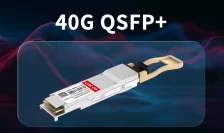
40G QSFP+ Transceivers

100G Optical Transceivers

Topics
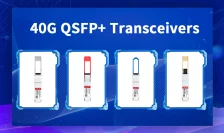
qsfp+ 40g FR4 offers high-speed, long-reach data transmission for modern networks, improving performance, efficiency, and future scalability in data centers.
QSFP+ 40G ER4 is a 40G transceiver for long-distance, high-speed links up to 40km, ideal for data centers and enterprise networks using single-mode fiber.
QSFP+ 40G LR4 enables high-speed, long-range data transfer for data centers, enterprises, and telecoms, supporting reliable 40G network growth in 2025.
QSFP+ 40G SR4 delivers reliable 40Gbps performance, short-range connectivity, and strong compatibility for data centers and enterprise networks.
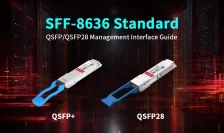
Learn what SFF-8636 is, why it matters for QSFP/QSFP28 optics, and how its 2-wire management interface, memory map, power classes, and alarms ensure interoperability.
Unstanding different types of 40G QSFP+ Transceivers, including 40GBASE-SR4, 40GBASE-LR4, 40GBASE-FR4, 40GBASE-ER4. Choosing the right QSFP+ modules for you.
Network visualization uses graphs and diagrams to reveal connections, patterns, and relationships in complex data sets.
Solve common network problems in data center networks, including outages, slow speeds, and configuration errors, with practical troubleshooting tips.
Discover the differences between P2P, P2MP, MP2P, and MP2MP network architectures. Learn how LINK-PP optical transceivers enable efficient, high-speed connectivity.
Open source software allows anyone to use, modify, and share code freely, offering flexibility, collaboration, and community-driven innovation.
Optical modules enable high-speed, low-latency links across 5G fronthaul, midhaul, and backhaul. Learn how transceiver types, standards, and deployment needs shape modern telecom networks.
SSH vs SSL: SSH secures remote access and file transfers, while SSL protects web communication. Choose the right protocol for your security needs.
VLAN vs VXLAN: Compare scalability, flexibility, and cost to choose the best network segmentation for small setups or large, cloud-based environments.
Reduce power consumption of optical transceivers with efficient modules, smart cooling, and intelligent management in modern data centers.
IPv4 Address uses a 32-bit numeric format, while IPv6 offers 128-bit alphanumeric addresses, more capacity, and improved security for growing networks.
Link budget loss measures signal power drop in fiber networks, helping you identify, manage, and reduce losses for reliable communication performance.
Packet loss disrupts your internet by causing lag, buffering, and dropped calls. Find out what causes packet loss and how to fix it for a stable connection.
An Optical Channel Monitor measures channel power, wavelength, and OSNR in fiber optic networks, ensuring reliable performance and fast problem detection.
Virtual Routing and Forwarding (VRF) enables multiple private routing tables on one device, improving network security, segmentation, and traffic management.
Photonic integrated circuits use light to transmit data, offering faster speeds, lower power use, and reliable connections for modern networks.
Uplink Failure Detection quickly identifies network link failures, enabling fast response to prevent downtime and maintain business continuity.
A VLAN segments a network at the data link layer, improving security, performance, and management by isolating devices within virtual groups.
Virtual Extensible LAN enables scalable, secure, and flexible network virtualization, supporting millions of segments for modern data center needs.
An IPv4 address uniquely identifies your device on a network, enabling internet access and secure data transfer between devices worldwide.
Mean Time Between Failure (MTBF) shows how long equipment runs before failing, helping you plan maintenance and boost reliability.
Receiver overload occurs when signals are too strong, causing distortion, shutdowns, or equipment damage. Learn causes, symptoms, and prevention tips.
Discover the LQ‑SW40‑SR4C 40GBASE‑SR module: high-speed, low-power, QSFP+ optics for multimode fibre networks. Perfect for data centres and network upgrades.

Learn QSFP+ 40GBASE-LR4 specs, distance limits, compatibility tips, and buying advice. Avoid common deployment issues with this expert guide.
Learn what 40GBASE-ER4 is, how far it reaches over duplex single-mode fiber, what it supports, and how to choose the right QSFP+ optic.
Spine-Leaf Architecture in optical networks enables scalable, non-blocking connectivity and high performance for modern data centers.

LQ-BL859140-SRC offers better value, wider compatibility, and faster speeds than Cisco QSFP-40G-SR-BD for your network upgrade needs.

Learn what the SFF-8436 specification is, how it defines QSFP+ transceivers, and why it matters for 40G Ethernet, InfiniBand, and Fibre Channel.
40G QSFP+ transceiver LQ-M8540-SR4I delivers reliable, high-speed data and durability for industrial networks, even in extreme conditions.

Add Your Heading Text Here