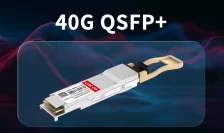
40G QSFP+ Transceivers

100G Optical Transceivers

Topics
Discover the LQ‑SW40‑SR4C 40GBASE‑SR module: high-speed, low-power, QSFP+ optics for multimode fibre networks. Perfect for data centres and network upgrades.

Learn what FCoE Fibre Channel over Ethernet is, how it works, and how it relates to optical modules, DCB, and high-performance data center networking.
Learn what 40GBASE-ER4 is, how far it reaches over duplex single-mode fiber, what it supports, and how to choose the right QSFP+ optic.
Learn QSFP+ 40GBASE-LR4 specs, distance limits, compatibility tips, and buying advice. Avoid common deployment issues with this expert guide.
Understand QSFP data rate from 40G to 800G, including QSFP+, QSFP28, and QSFP-DD. Compare speeds, lane structure, and choose the right module.
Understand the key differences between XLPPI and XLAUI electrical interfaces, how they work in 40G/100G Ethernet systems, and which interface modern QSFP modules use.
Discover the advantages of XLPPI electrical interface in high-speed networking. Learn how it reduces latency, lowers power consumption, and future-proofs modern data transmission.
Compare 100G LR4, CWDM4, and PSM4 to find the best 100G transceiver for your network based on distance, cost, and cabling requirements.
SCP (Secure Copy) enables secure, encrypted file transfers between computers using SSH. See how to use SCP, its features, and best practices.
VLAN vs SVI explained: VLAN segments networks at Layer 2, while SVI enables inter-VLAN routing at Layer 3 for communication between VLANs.
Packet loss disrupts your internet by causing lag, buffering, and dropped calls. Find out what causes packet loss and how to fix it for a stable connection.
An Optical Channel Monitor measures channel power, wavelength, and OSNR in fiber optic networks, ensuring reliable performance and fast problem detection.
Virtual Routing and Forwarding (VRF) enables multiple private routing tables on one device, improving network security, segmentation, and traffic management.
Photonic integrated circuits use light to transmit data, offering faster speeds, lower power use, and reliable connections for modern networks.
Uplink Failure Detection quickly identifies network link failures, enabling fast response to prevent downtime and maintain business continuity.
A VLAN segments a network at the data link layer, improving security, performance, and management by isolating devices within virtual groups.
Virtual Extensible LAN enables scalable, secure, and flexible network virtualization, supporting millions of segments for modern data center needs.
An IPv4 address uniquely identifies your device on a network, enabling internet access and secure data transfer between devices worldwide.
Mean Time Between Failure (MTBF) shows how long equipment runs before failing, helping you plan maintenance and boost reliability.
Receiver overload occurs when signals are too strong, causing distortion, shutdowns, or equipment damage. Learn causes, symptoms, and prevention tips.
Discover the LQ‑SW40‑SR4C 40GBASE‑SR module: high-speed, low-power, QSFP+ optics for multimode fibre networks. Perfect for data centres and network upgrades.

Learn what 40GBASE-ER4 is, how far it reaches over duplex single-mode fiber, what it supports, and how to choose the right QSFP+ optic.
Learn QSFP+ 40GBASE-LR4 specs, distance limits, compatibility tips, and buying advice. Avoid common deployment issues with this expert guide.
Spine-Leaf Architecture in optical networks enables scalable, non-blocking connectivity and high performance for modern data centers.

LQ-BL859140-SRC offers better value, wider compatibility, and faster speeds than Cisco QSFP-40G-SR-BD for your network upgrade needs.
Learn what the SFF-8436 specification is, how it defines QSFP+ transceivers, and why it matters for 40G Ethernet, InfiniBand, and Fibre Channel.
40G QSFP+ transceiver LQ-M8540-SR4I delivers reliable, high-speed data and durability for industrial networks, even in extreme conditions.

Add Your Heading Text Here