Learn what LX SFP (1000BASE-LX) modules are, how they differ from LR/LH/SX, and practical tips for compatibility, multimode use, and real-world deployment.
Learn what an SFP duplex LC connector is, how it works in optical transceivers, and why it is widely used in fiber networks for reliable full-duplex communication.
Explain what a 100km SFP transceiver is, how ER and ZR differ, required wavelength, optical budget calculation, and whether amplification is needed for long-haul fiber links.
Learn what a ToR (Top-of-Rack) switch is, how ToR architecture works, and why it’s the preferred networking model in modern data centers. Includes benefits, use cases, and compatible optical transceiver solutions from LINK-PP.
A wireless LAN (WLAN) connects devices like laptops and phones using radio waves, enabling flexible, cable-free networking in homes, schools, or offices.
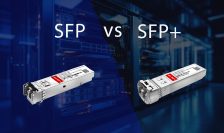
SFP+ transceiver modules enable high-speed data transfer, seamless communication, and flexible connectivity in data centers, supporting efficient networks.
An optical module converts electrical signals to light for fast, reliable data transfer in networks, essential for cloud computing, telecom, and data centers.
Filter FWDM combines or separates light wavelengths in optical networks, optimizing bandwidth, reducing costs, and enabling high-speed data transmission.
10G PON delivers up to 10 Gbps speeds using advanced fiber optics, ensuring reliable, high-speed internet for homes, businesses, and modern applications.
EMC Electromagnetic Compatibility ensures devices work safely and reliably in shared environments by minimizing interference and meeting compliance standards.
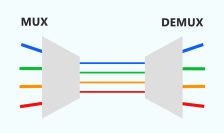
Wavelength Division Multiplexing (WDM) uses optical transceiver modules to send multiple data streams through a single fiber, boosting bandwidth and efficiency.
Learn what hyperconverged infrastructure HCI is, how it compares with virtualization and dHCI, and when Nutanix, Sangfor, or SFP-based designs fit best.
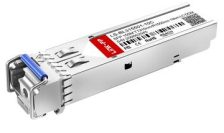
Learn what LX SFP (1000BASE-LX) modules are, how they differ from LR/LH/SX, and practical tips for compatibility, multimode use, and real-world deployment.
Explain what a 100km SFP transceiver is, how ER and ZR differ, required wavelength, optical budget calculation, and whether amplification is needed for long-haul fiber links.
Discover what data bandwidth means, how it affects devices, and why it matters in digital communication. Learn how LINK-PP supports high-speed data transfer.
Optical transceiver modules convert electrical signals to light, enabling high-speed data transmission in fiber optic networks for modern communication.
Subscribe to LINK-PP
newsletter
Don’t miss anything. Get all the latest posts delivered straight to your inbox.