















A Internet, tal como a conhecemos, assenta numa base de endereços únicos que permitem que os dispositivos se localizem e comuniquem entre si. Há décadas que esta tem sido a função de IPv4 (Protocolo de Internet versão 4). Mas, com o seu conjunto limitado de cerca de 4,3 mil milhões de endereços, chegámos a um impasse. O futuro — e, cada vez mais, o presente — pertence a IPv6 (Protocolo de Internet versão 6).
Não se trata apenas de uma atualização menor; é uma expansão fundamental que irá impulsionar a Internet das Coisas (IoT), o 5G e as tecnologias do futuro. Compreender Endereçamento IPv6 é fundamental para qualquer pessoa envolvida em gestão de rede, computação em nuvem, or Infraestrutura de TI.
📝 Principais pontos-chave
Endereços IPv6 ajudam os dispositivos a ligarem-se à Internet. Proporcionam-nos muito mais endereços do que o IPv4.
O IPv6 torna as redes mais seguras e fáceis de gerir. Permite-nos ligar mais dispositivos sem esgotar os endereços.
É importante saber como são constituídos os endereços IPv6. Deve aprender sobre a sua notação e os seus tipos, como unicast, multicast e anycast. Isto ajuda-o a utilizá-los da forma correta.
A transição para o IPv6 implica que deve verificar se os seus dispositivos são compatíveis com este protocolo. Terá de atualizar os seus routers. Certifique-se de que o seu fornecedor de Internet suporta o IPv6.
Deve seguir boas práticas de segurança ao utilizar o IPv6. Utilize palavras-passe fortes e vigie de perto a sua rede. Isto mantém a sua rede segura.
📝 Porquê a transição urgente para o IPv6? Compreender o esgotamento do IPv4
O problema do IPv4 é simples: a escassez. Os últimos blocos de endereços IPv4 foram oficialmente atribuídos há anos. Isto levou a soluções alternativas complexas e dispendiosas, como NAT (Tradução de Endereços de Rede), o que pode complicar a conceção da rede e afetar o desempenho.
O IPv6 resolve este problema de escassez na sua origem. Vejamos as diferenças fundamentais.
Recurso | IPv4 | IPv6 |
|---|---|---|
Comprimento do endereço | 32 bits | 128 bits |
Formato do endereço | Formato decimal com pontos (por exemplo, 192.0.2.1) | Hexadecimal (por exemplo, 2001:0db8:85a3::8a2e:0370:7334) |
Número de endereços | ~4,3 bilhões | ~340 undecilhões (um número praticamente ilimitado) |
Configuração do endereço | Requer frequentemente o DHCP | Suporta funcionalidades integradas Configuração Automática de Endereços sem Estado (SLAAC) |
Segurança | O IPsec é opcional | O IPsec é uma parte fundamental do protocolo |
A enorme dimensão do endereço IPv6 O espaço é inimaginavelmente vasto. Estamos a passar de um mundo de escassez para um mundo de abundância, o que representa uma mudança radical em termos de escalabilidade das redes e inovação.
📝 Como compreender o formato dos endereços IPv6: é mais simples do que parece!
À primeira vista, um IPv6 endereço como 2001:0db8:85a3:0000:0000:8a2e:0370:7334
pode parecer intimidante. Mas a sua estrutura é lógica e elegante.
Oito grupos de quatro dígitos hexadecimais: O endereço de 128 bits é dividido em oito grupos de quatro dígitos hexadecimais.
Separadores por dois pontos: Os grupos são separados por dois pontos (:).
Compressão de zeros: Para simplificar, pode substituir grupos consecutivos de zeros por dois pontos duplos (::). O exemplo acima passa a ser 2001:0db8:85a3::8a2e:0370:7334. Isto só pode ser feito uma vez num endereço.
Um endereço IPv6 é normalmente dividido em duas partes:
Prefixo de rede: Os primeiros 64 bits, que identificam a rede.
Identificador de interface: Os últimos 64 bits, que identificam de forma única um dispositivo nessa rede. Este valor pode, muitas vezes, ser obtido a partir do endereço MAC.
📝 Principais vantagens da adoção do IPv6 para a sua empresa
Mudança para IPv6 não se trata apenas de obter mais endereços; trata-se de construir uma rede melhor e mais eficiente.
Conectividade de ponta a ponta: Elimina a necessidade de NAT, restaurando a conceção original da Internet e simplificando as aplicações ponto a ponto.
Desempenho Aprimorado: Funcionalidades como cabeçalhos de pacotes mais simples podem conduzir a um encaminhamento mais eficiente e a uma latência reduzida.
Segurança Aprimorada: Conforme indicado na tabela, O suporte a IPsec é obrigatório no IPv6, proporcionando um nível básico de segurança para todas as comunicações.
Gestão eficiente da rede: Com
Configuração Automática de Endereços sem Estado (SLAAC), os dispositivos podem configurar automaticamente os seus próprios endereços IP, reduzindo a carga administrativa.
Para as empresas que estão a planear o seu futuro a longo prazo estratégia de migração para a nuvem and transformação digital, desenvolver os seus serviços com base numa infraestrutura nativa de IPv6 é uma decisão com visão de futuro.
📝 A espinha dorsal do hardware: Por que razão os seus módulos óticos são importantes num mundo IPv6
Um equívoco comum é que a transição para IPv6 é apenas uma alteração de software ou de configuração. Na realidade, o hardware de rede subjacente é igualmente essencial. É aqui que a alta velocidade módulos ópticos entram em cena.
À medida que as redes lidam com a maior eficiência de encaminhamento e o potencial crescimento do tráfego possibilitados pelo IPv6, as ligações da rede principal entre routers e switches têm de ser robustas e de alta capacidade. Os módulos óticos, ou transceptores, são os componentes que convertem sinais elétricos em luz e vice-versa, transmitindo dados através de cabos de fibra ótica.
Para garantir um processo tranquilo e bem-sucedido Migração para o IPv6, o seu equipamento de rede tem de ser compatível com estas novas normas. Um transceptor desatualizado pode tornar-se um estrangulamento, impedindo-o de tirar pleno partido dos benefícios de desempenho do IPv6. Ao planear a atualização da sua rede, é essencial perguntar-se: O meu hardware, incluindo os módulos óticos, está preparado para as exigências de uma rede compatível com IPv6?
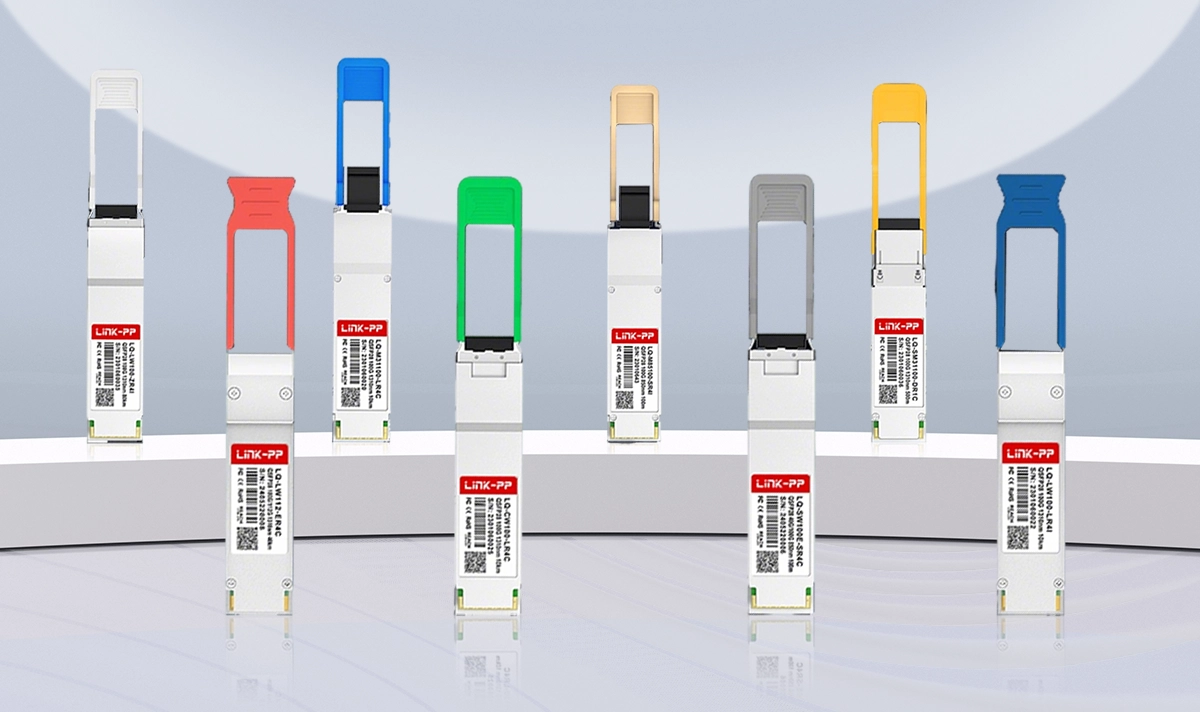
Para switches de alto desempenho das camadas central e de distribuição, um transceptor como o LINK-PP 100G QSFP28 LR4 é uma excelente escolha. É compatível com transmissões de longo alcance de até 10 km, tornando-o ideal para ligar segmentos de rede num campus ou num centro de dados. Ao utilizar componentes fiáveis e de alta qualidade de marcas de confiança como LINK-PP, pode criar uma infraestrutura de rede que não só esteja preparada para o IPv6, mas também otimizada em termos de velocidade, fiabilidade e crescimento futuro.
📝 Preparar a sua rede para o futuro: o caminho a seguir
A questão já não é se vai adotar o IPv6, mas quando and como. Os principais fornecedores de serviços na nuvem, redes de distribuição de conteúdos (CDNs), and ISPs Já ativaram o IPv6. Adiar a adoção pode colocá-lo numa posição de desvantagem competitiva.
Comece por fazer uma auditoria à sua infraestrutura de rede atual. Verifique se os seus routers, switches, firewalls e software são compatíveis com o IPv6. Ative configurações de pilha dupla onde tanto o IPv4 como o IPv6 funcionam em simultâneo, permitindo uma transição gradual.
📝 Perguntas frequentes (FAQ)
O que é um endereço IPv6?
Um endereço IPv6 é um conjunto único de números e letras. Permite que o seu dispositivo se ligue à Internet. Utiliza-o sempre que acede à Internet.
Em que é que o IPv6 é melhor do que o IPv4?
O IPv6 oferece-lhe mais endereços. Permite que mais dispositivos se liguem. Beneficia de maior segurança e de uma configuração de rede mais simples. A sua ligação à Internet funciona de forma mais fluida.
Que tipos de endereços IPv6 pode utilizar?
Pode utilizar a transmissão unicast para um único dispositivo, a transmissão multicast para grupos e a transmissão anycast para o dispositivo mais próximo. Cada tipo envia os dados de uma forma diferente.
O que deve verificar antes de mudar para o IPv6?
Verifique se os seus dispositivos e o seu router suportam IPv6. Informe-se junto do seu fornecedor de Internet sobre o IPv6. Atualize o seu software. Teste a sua ligação com ferramentas online.