
















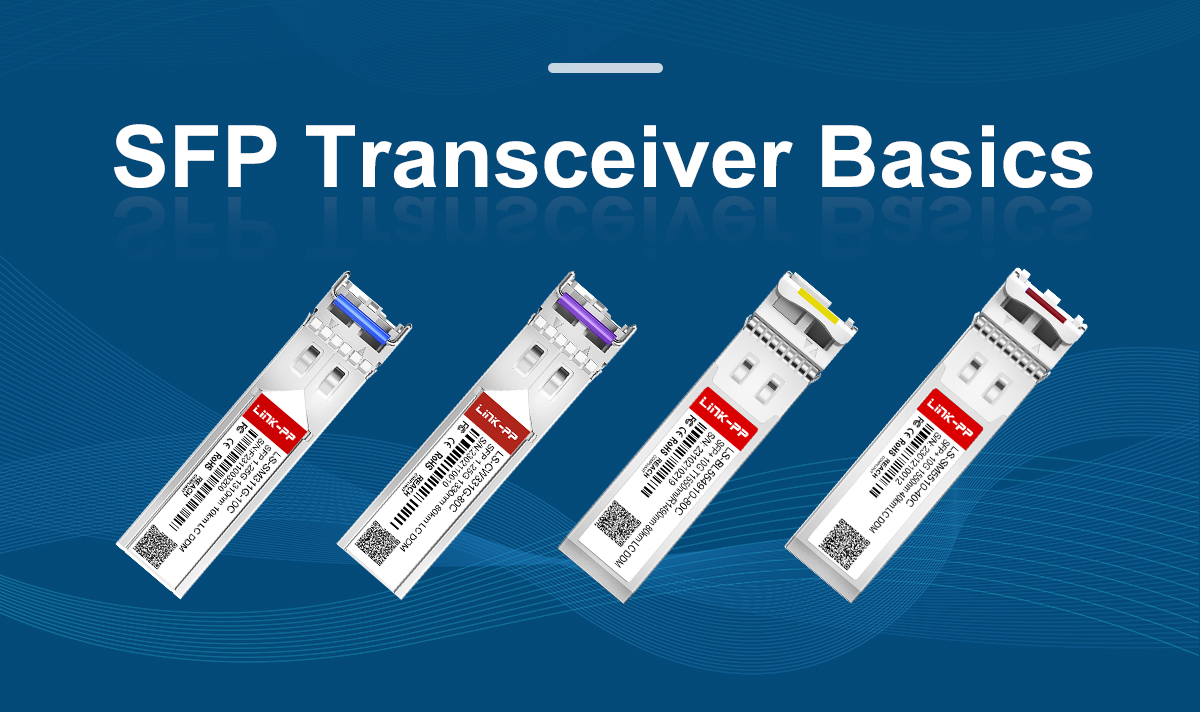
1. What Is an SFP Transceiver?
An SFP (Small Form‑factor Pluggable) transceiver is a compact, hot‑swappable module that fits into a switch, router, or media converter. It converts electrical signals into optical (or copper) signals and vice versa. An SFP-Transceiver acts as a compact, hot-swappable optical transceiver that connects your networking equipment to fiber optic or copper cables. Defined by the Multi‑Source Agreement (MSA, e.g. INF‑8074i), SFPs support Gigabit Ethernet, Fiber Channel, and SONET/SDH protocols.
2. Why SFP Matters in Networking
Flexibility and scalability: Easily upgrade or change ports without downtime.
Hohe Portdichte: More connections per switch thanks to their small size.
Cost‑efficient: Mass‑production keeps prices lower than older GBIC or XFP modules.
3. Types & Use Cases: Choosing the Right SFP
Multimode vs. Single‑mode fiber:
Kurzstrecke (e.g. 850 nm SX MMF up to ~550 m);
Long‑range (e.g. 1310 nm LX up to ~20 km, EX ~40 km, ZX ~80 km).
Kupfer-SFP-Module: Use RJ‑45 for Ethernet over copper (max ~100 m), suitable for short cabling needs.
SFP im Vergleich zu SFP+ und darüber hinaus:
SFP: Up to ~1 Gb/s;
SFP+: Supports 10 Gb/s; further form factors like SFP28 or QSFP evolve for higher speeds.
4. Compatibility & Standards: Avoiding Pitfalls
MSA‑compliant modules ensure physical and electrical compatibility across vendors.
Check vendor lock‑in issues: some equipment may reject non‑OEM optics, even if standards‑compliant.
Sicherstellen matched type, wavelength, and fiber: e.g. LC connectors, duplex vs. BiDi (wavelength multiplexed) modules must pair correctly.
5. Diagnostics & Health Monitoring (DDM)
Die meisten modernen SFP/SFP+ Module unterstützen Digitale Diagnoseüberwachung (DDM)—also called DOM. They monitor temperature, voltage, optical power, and other metrics in real time. This helps engineers detect issues early and maintain uptime.
6. Installation & Practical Tips
Hot‑pluggable: Insert or remove without rebooting the network device.
Handle with care: Avoid touching the fiber interface or gold fingers. Use dust caps and clean fiber end‑faces before insertion.
Maintain logs: Record module types, insertion dates, and warnings from DDM to track performance over time.
7. LINK‑PP SFP Modules: Reliable & Standards‑Ready
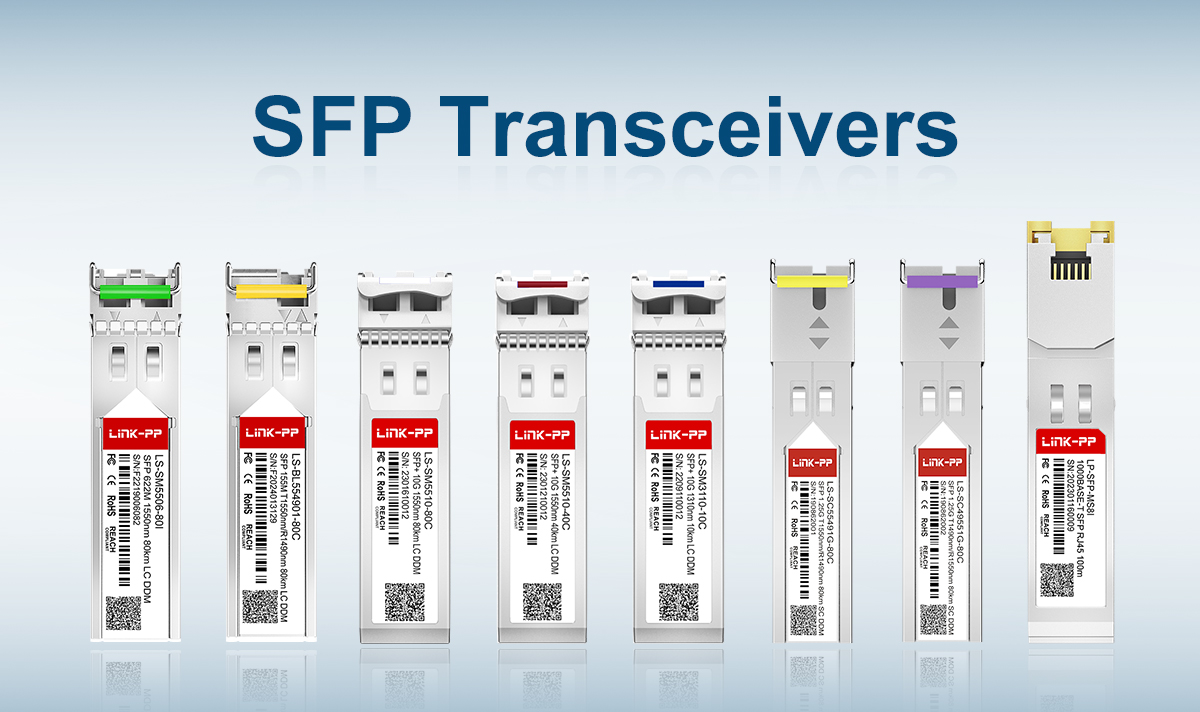
LINK‑PP offers a wide range of MSA‑compliant SFP and SFP+ transceivers, including single‑mode and multimode options. Their modules deliver excellent value and support features like DDM, consistent optical performance, and vendor‑neutral compatibility. Find certified products in the LINK‑PP official store here: l‑p.com.
8. Summary Table
Thema | Wichtige Erkenntnis |
|---|---|
Definition | Compact, hot‑pluggable optical/copper transceiver |
Datenraten | Up to 1 Gb/s (SFP), 10 Gb/s (SFP+) |
Fiber types | Multimode (short), Single-mode (long) |
Kompatibilität | MSA‑compliant, same vendor constraints, wavelength match |
Diagnostics (DDM) | Temperature, power, voltage monitoring |
Practical care | Dust caps, gentle handling, cleaning |
LINK‑PP strength | Reliable standards compliance, DDM support, cost‑efficient |
Fazit
An SFP transceiver is a foundational component that brings flexibility, scalability, and performance to modern networks. For network engineers, understanding module types, compatibility, diagnostic features, and proper handling ensures smooth operation. LINK‑PP’s SFP/SFP+ portfolio meets industry standards and offers dependable quality—ideal for data center, enterprise, or telecom environments.
10. See Also
Want to expand your understanding of optical networking and SFP+ deployment best practices? Explore these expert resources from the LINK‑PP Knowledge Center:
DDM vs DOM in Optical Transceivers: What’s the Difference?
Understand how Digital Diagnostics Monitoring (DDM) and Digital Optical Monitoring (DOM) help ensure module health and link reliability.Understanding Copper SFP Modules in Networking
Learn how RJ45-based SFP modules fit into high-speed Ethernet networks and how they compare to optical solutions.SFP vs SFP+: Key Differences Explained
A technical yet clear comparison of SFP and SFP+ modules, including use cases, speeds, and backward compatibility.Single-Mode vs. Multimode Fiber: A Complete Guide
Discover how fiber type affects transceiver selection, reach, and performance in enterprise and telecom environments.What Is a Network Switch? A Beginner-Friendly Overview
For newcomers or refreshers—understand the switch’s role in handling Ethernet traffic and connecting SFP+ uplinks.