
















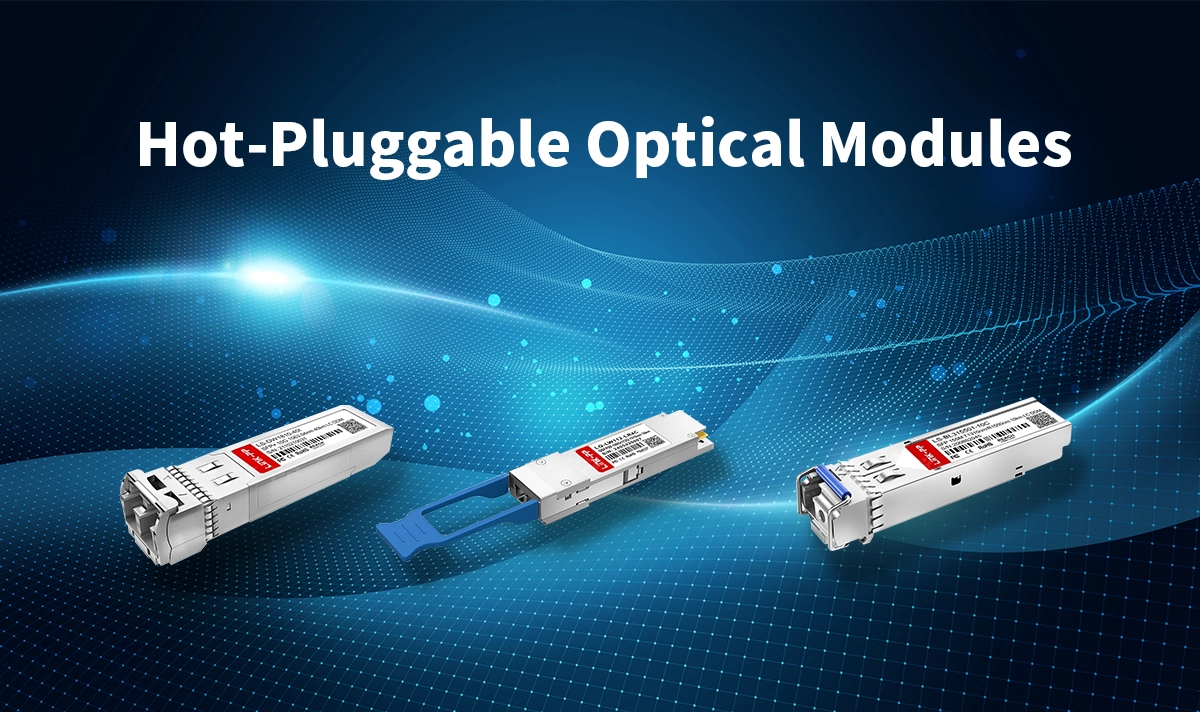
1. Introduction: Why Hot-Pluggability Matters in Optical Networking
In high-availability environments such as data centers, carrier networks, and cloud infrastructure, downtime is costly and often unacceptable. . hot-pluggable feature of ٢. وحدات الإرسال والاستقبال الضوئية allows for rapid replacement, upgrade, or reconfiguration without powering down network equipment. This functionality is not just a convenience—it’s an engineering design requirement in scalable, modern networks.
2. What Does “Hot-Pluggable” Mean Technically?
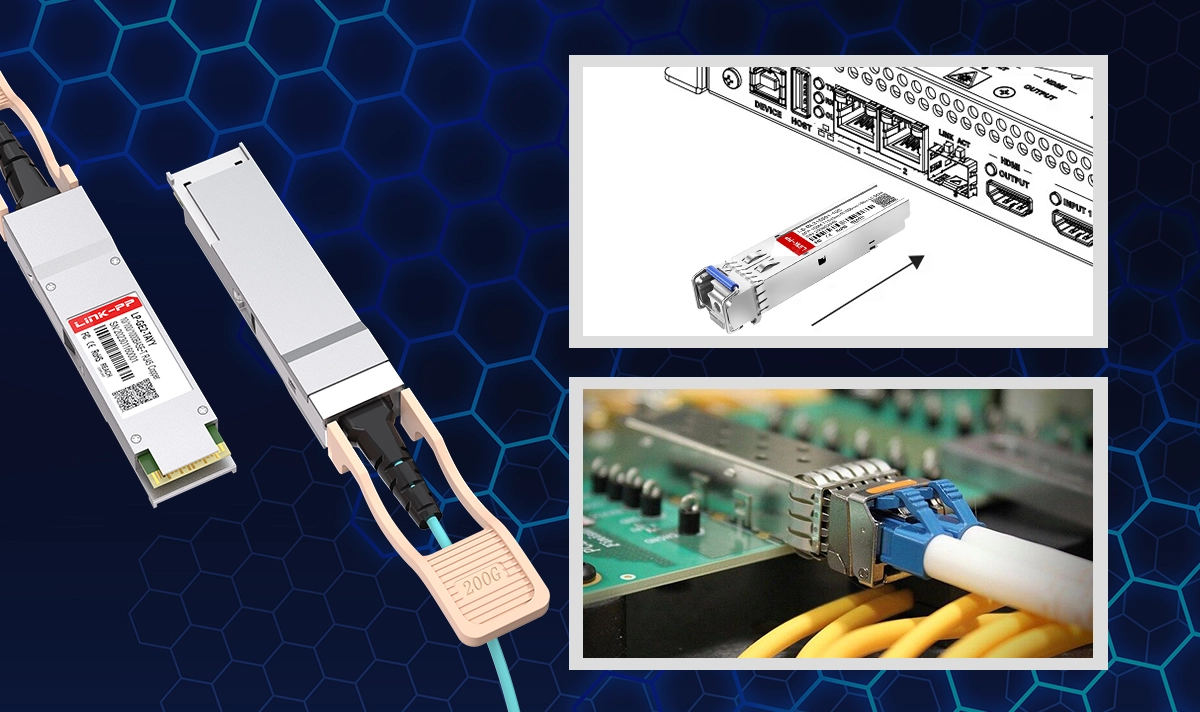
A hot-pluggable optical module refers to a transceiver that can be safely inserted into or removed from a powered host system—such as a المفتاح, router, or NIC—without requiring a system reboot or shutdown.
This is enabled by:
Electromechanical interface standardization (e.g., SFP, QSFP MSA specs)
Power sequencing circuits in both the module and host
Software-level hot-swap detection and management
When inserted:
The module’s ground pins connect first (to prevent ٣٤. ضد التفريغ الكهروستاتيكي (ESD) damage)
Power pins engage in a controlled sequence
EEPROMs and ١٠. DOM (Digital Optical Monitoring, which provides real-time transceiver metrics like temperature, voltage, and optical power) data are read by the host
Optical link comes up once the module and host complete handshake
3. Interface Standards That Enable Hot-Plug
The hot-plug capability is governed by ٤. MSA (اتفاقية المصادر المتعددة) standards, which define mechanical, electrical, and management interface requirements. Common examples include:
١٨. المعيار | قابلة للتبديل الساخن | ٥. الوصف |
|---|---|---|
٢٩. SFP / SFP+ / SFP28 | ✅ | Up to 25 Gbps |
QSFP+ / QSFP28 / QSFP-DD | ✅ | 40G / 100G / up to 400G (e.g., QSFP-DD supports 8×50G PAM4 lanes) |
XFP, X2, XENPAK | ✅ | Legacy 10G optics |
CFP / CFP2 / CFP4 | ✅ | High-density 100G+ modules |
١١. OSFP | ✅ | 400G optics with larger form factor than QSFP-DD; supports advanced thermal handling |
These standards ensure interoperability across vendors ١٧. و safe hot-swap operation under strict signal integrity, ESD tolerance, and thermal constraints.
4. Engineering Considerations in Hot-Swappable Design
Hot-pluggability imposes several design challenges for both the ١. وحدة الإرسال والاستقبال ٥. وحدة الإرسال والاستقبال (RU) host system:
A. Power Surge and Inrush Current Control
Modules must have circuitry to avoid sudden inrush currents during insertion, which could damage components or trigger host protection mechanisms.
B. ESD Protection
Transceivers and hosts must comply with IEC 61000-4-2 standards for electrostatic discharge immunity, typically ±2kV to ±4kV contact discharge.
C. Signal Integrity on Live Interfaces
Proper impedance matching, shielding, and ground sequencing ensure signal integrity is maintained during live connection/disconnection.
D. Thermal Management
Modules inserted during operation can add thermal load to already warm environments. High-speed transceivers like ١٦. QSFP-DD (٤٠٠ جيجابت/ثانية) may require active cooling.
5. Benefits of Hot-Pluggable Optical Modules
٤٧. الفائدة | شرح |
|---|---|
🛠 Non-disruptive maintenance | Replace or upgrade transceivers without interrupting live traffic |
٢٨. 🔄 Dynamic configuration | Support flexible port provisioning (e.g., 10G/25G/100G mix) |
٢. 📈 ٣٩. القابلية للتوسع | Network expansion without forklift upgrades |
١٤. 💰 OPEX savings | Faster mean time to repair (MTTR) and less downtime cost |
6. Limitations and Cautions
While hot-pluggable modules offer flexibility, careless operation can lead to:
Connector wear: Excessive plugging/unplugging can degrade mechanical connectors
Optical damage: Dirty or unprotected fiber faces may reduce signal quality
System detection failure: Improper insertion or non-compliant modules may not initialize correctly
Live fiber eye hazard: Never look directly into live optical ports without proper testing tools
٣٢. تشمل أفضل الممارسات ما يلي:
١٦. استخدم anti-static wrist straps
دائمًا cap unused ports
٢٠. تحقق من host compatibility lists (Hardware Qualified Transceiver Lists)
7. LINK-PP’s Commitment to Hot-Pluggable Design
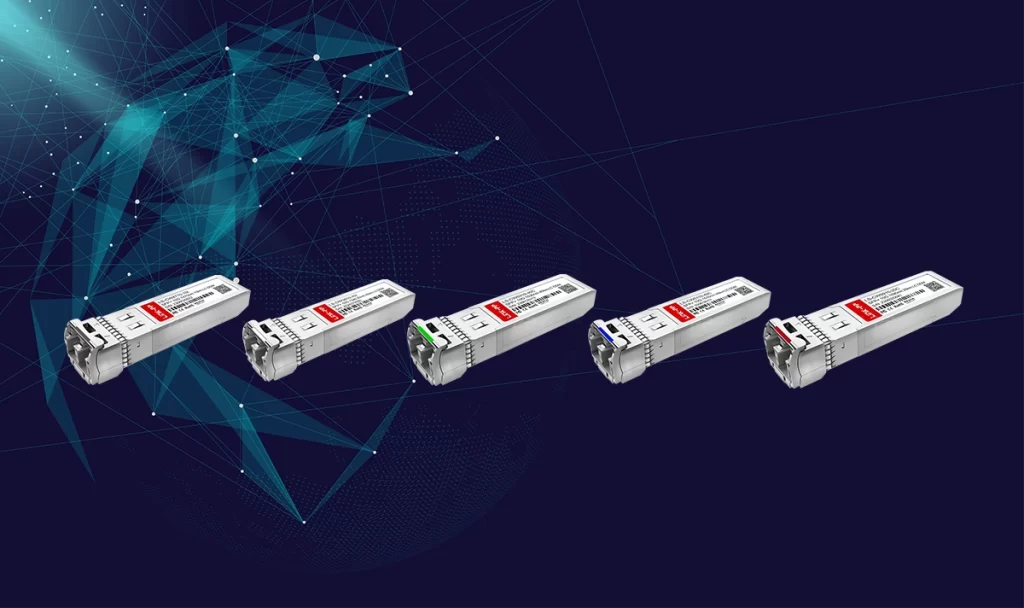
LINK-PP provides a full portfolio of hot-swappable ٢. وحدات الإرسال والاستقبال الضوئية, ٢٢. ومنها:
٣١. 10G SFP+ SR/LR, ١٤. وحدة إرسال واستقبال SFP28 بسعة ٢٥ جيجابت في الثانية
١٥. وحدة إرسال واستقبال QSFP+ بسعة ٤٠ جيجابت في الثانية, ٣٠. 100G QSFP28, ٤٩. منافذ QSFP-DD بسرعة ٤٠٠ جيجابت/ثانية
٣٤. CPRI/eCPRI modules for 5G front-haul networks (e.g., ٣. الطرز LS-CW3110-40I)
All modules are:
✅ 100% tested under hot-plug conditions
✅ Compliant with MSA, IEEE, and RoHS standards
✅ Compatible with major platforms (FS, Cisco, Intel, Arista, Juniper)
٦٥. ٨. الخاتمة
The hot-pluggable nature of optical transceivers is a critical feature that enables high-availability, scalable, and serviceable networks. Through adherence to international standards and robust design, hot-swap capability brings significant operational advantages while maintaining safety and signal integrity.
As network demands continue to grow, ١٥. وحدات إرسال واستقبال قابلة للتوصيل الساخن will remain a cornerstone of efficient optical connectivity.